
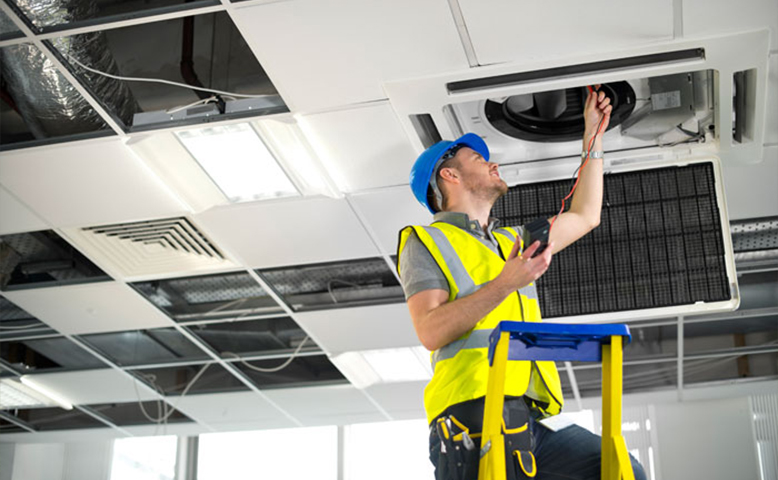
The cost of heating and cooling might be the biggest part of a home or shop’s energy bill. The good news is that a lot of high costs are caused by little faults like a dirty filter, a dusty coil, a loose duct junction, or a thermostat that isn’t set up right. Your HVAC system has to work harder and longer to achieve the same task when these things happen. More power or gas is needed when the run time is longer. Routine maintenance is basically a collection of easy inspections that you do on a regular basis. It lets air flow freely, keeps parts from getting too hot, and helps the system reach the right temperature faster. This article explains easy routines that can lower energy use without complex terms or wasted steps.
Filter Changes Keep Air Moving With Less Work
A dirty filter is like breathing through a thick cloth. Air can still pass, but it is harder. Your blower motor then pulls more power to move air through the system. Low airflow also makes rooms feel uneven, so people often crank the thermostat lower or higher. That raises bills fast.
Use this simple plan:
- Check the filter every month during hot and cold seasons.
- Replace it every 1–3 months (sooner if you have pets or dust).
- Match the size printed on the old filter so it seals tightly.
- Point the arrow on the filter toward the unit (airflow direction).
Technical note (kept simple): The system is built to move a certain amount of air. When airflow drops, the unit runs longer. That extra time is extra money.
Clean Outdoor Unit Space Helps Heat Leave Faster
In cooling mode, your outdoor unit must dump heat outside. If grass, leaves, or lint cover the coil, heat cannot leave easily. The system then works longer to cool your indoor air. That means more electricity is used by the fan and compressor.
Do these quick checks:
- Keep 2 feet of open space around the outdoor unit.
- Pull weeds and trim bushes so air can pass through.
- Turn the power off and rinse the coil gently with a hose.
- Do not use a pressure washer because it can bend the thin fins.
Simple tech fact: cooling is a heat-moving job. If the outdoor coil cannot release heat well, the system stays “hot” and keeps running.
Indoor Coil Care Stops Slow Cooling And Long Runs
The indoor coil absorbs heat from your home. If dust sticks to it, the coil cannot grab heat well. That slows cooling and can raise humidity. People then lower the thermostat to feel better, which pushes the system even harder.
What you can do:
- Change filters on time (this protects the indoor coil).
- Keep supply and return vents open, not blocked by rugs or boxes.
- If you see weak airflow or musty smells, schedule a coil check.
What a tech may do:
- Clean the coil safely with approved cleaners.
- Check coil fins and straighten them if needed.
- Measure the temperature drop across the coil to confirm it is working correctly.
Simple tech fact: a clean coil transfers heat better. Better heat transfer means shorter run time.
Duct Leaks Send Paid Air Into Empty Spaces
Ducts are the “roads” that carry air to each room. If ducts leak, some of the air you pay to cool or heat never reaches you. It can spill into an attic, crawl space, or wall. Your system then runs longer to make up for the loss.
Signs of duct leaks:
- One room is always too hot or too cold
- Dust builds up fast, even with new filters
- Bills jump with no change in weather or usage
- You feel weak airflow at the vents
Simple fixes and next steps:
- Look for loose joints in visible ducts.
- Use foil HVAC tape on small gaps (not cloth duct tape).
- If problems stay, ask for a duct leak test.
Simple tech fact: less leaking means more air reaches the rooms. More delivered air means less run time.
Thermostat Habits Prevent Waste From Over-Cycling
A thermostat is the system’s “brain.” If it is set in a confusing way, the unit may run more than needed. Big temperature swings can also cause long recovery cycles where the unit runs hard to catch up.
Use easy thermostat rules:
- Pick a comfortable setting and hold it steady when you are home.
- At night or when away, change it a little, not a lot.
- Keep the thermostat away from sunlight, ovens, and drafty doors.
- Replace batteries once a year if your thermostat uses them.
Simple tech fact: every time you force the system to “catch up,” it may run longer than it would with steady settings.
Blower Cleaning Keeps Airflow Strong And Even
The blower is the fan that pushes air through ducts. Dust on the blower wheel can reduce airflow. Worn parts can also cause the motor to draw more power. When airflow is low, the system may run longer, and rooms may feel uneven.
A routine service visit can include:
- Cleaning the blower wheel and housing
- Checking motor strength by measuring amp draw
- Testing the capacitor (a part that helps the motor start)
- Confirming fan speed is set correctly
Simple tech fact: airflow is measured in CFM (air volume per minute). If airflow drops, heating and cooling take longer, and bills rise.
Correct Refrigerant Charge Keeps Cooling Efficient
Refrigerant is the fluid that carries heat from inside to outside. It should stay at the right level in a sealed loop. If it is low, there is often a leak. Low charge can cause weak cooling and long run times. Too much refrigerant can also cause stress and poor performance.
What a tech should check:
- Pressures and temperatures during operation
- Charge accuracy using superheat and subcooling readings
- Signs of leaks (often oily spots near joints)
Simple tech fact: wrong charge changes how well the coil absorbs heat. If heat is not removed fast, the system must run longer.
Drain Line Checks, Stop Shutoffs, And Extra Cycling
Your AC removes moisture from the air. That water flows through a drain line. If the drain clogs, water can back up. Some systems shut off to prevent overflow. Then the space warms up, and the unit starts again later. That on-off pattern can waste energy and reduce comfort.
Easy routine steps:
- Check the drain pan for standing water.
- Make sure water is flowing during the cooling season.
- Ask a tech how to flush the line safely.
Simple tech fact: steady operation is usually more efficient than frequent stop-start cycles caused by safety shutoffs.
Seasonal Tune-Ups Catch Small Issues Before They Cost More
Some energy waste is hard to see. A loose wire, dirty sensor, or weak capacitor can make a system run longer without a clear warning. Seasonal tune-ups help find those small issues early.
A good tune-up often includes:
- Tightening electrical connections
- Checking voltage and safe wiring
- Testing safety switches and controls
- Measuring airflow and system temperatures
- For gas heat: checking burners and venting for safe, clean burn
Simple tech fact: high duct pressure (static pressure) can mean the system is “pushing against a blockage.” That makes the blower work harder and use more power.
Conclusion: Save Energy With Steady HVAC Care
Lower energy bills often come from small, repeat steps: change filters on time, keep coils clean, stop duct leaks, and use simple thermostat habits. These routines help your HVAC system move air better and run for fewer minutes each day. If you want a clear maintenance plan handled by pros, Madison & East Mechanical Corp offers HVAC maintenance services for residents and commercial clients. We can clean, test, and tune your system so it uses less power and stays reliable.